The Art Of Teaching Dance
What It Means to Work Inside the NDI Method
.png&w=3840&q=75&dpl=dpl_5KAbHqvJLChBm96Dh4byVG3gjKDa)
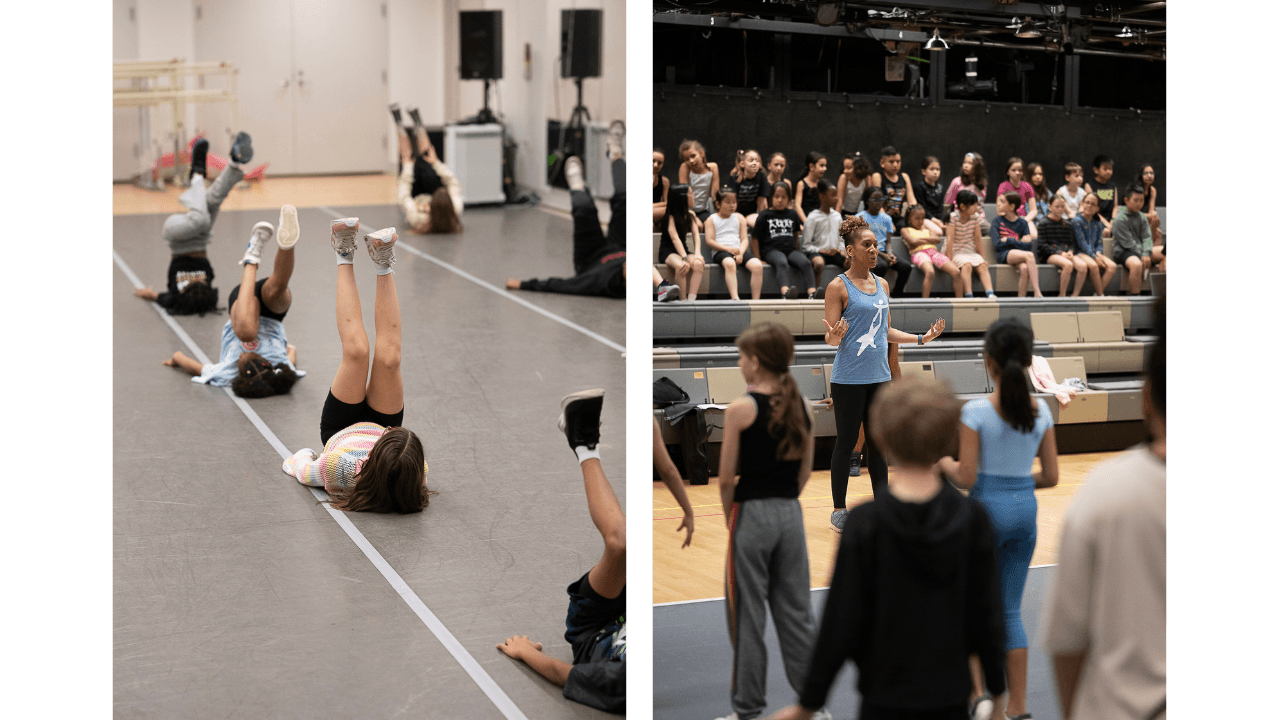
Picture a school gymnasium in the Bronx. Or a cafeteria in Harlem. Or a multi-purpose room in Queens that doubles as a storage space for gym equipment. The tables have been pushed to the walls. A pianist is warming up in the corner — live, present, tuning to the room. Thirty second-graders are about to walk through the door.
This is where NDI Teaching Artists work.
Not in a dance studio with sprung floors and mirrored walls. In the schools themselves, during the school day, alongside classroom teachers who are watching to see what dance can do for their students. The setting is ordinary, but what happens inside is extraordinary.
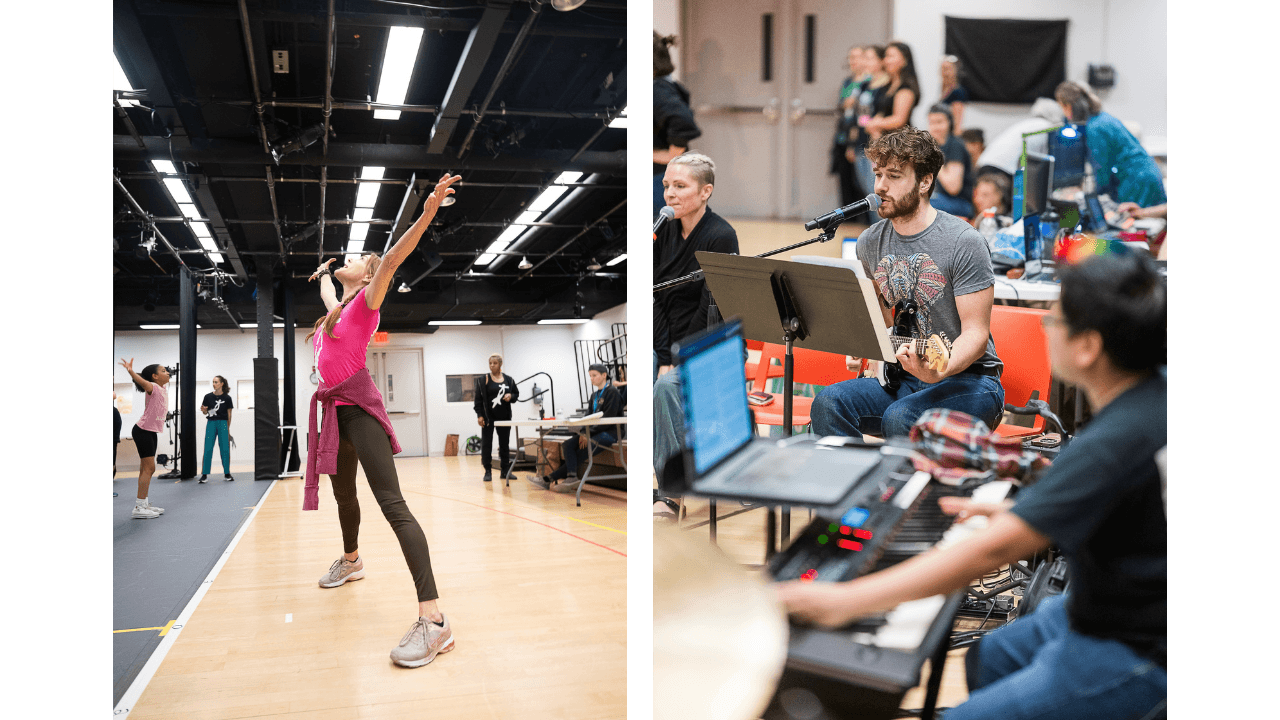
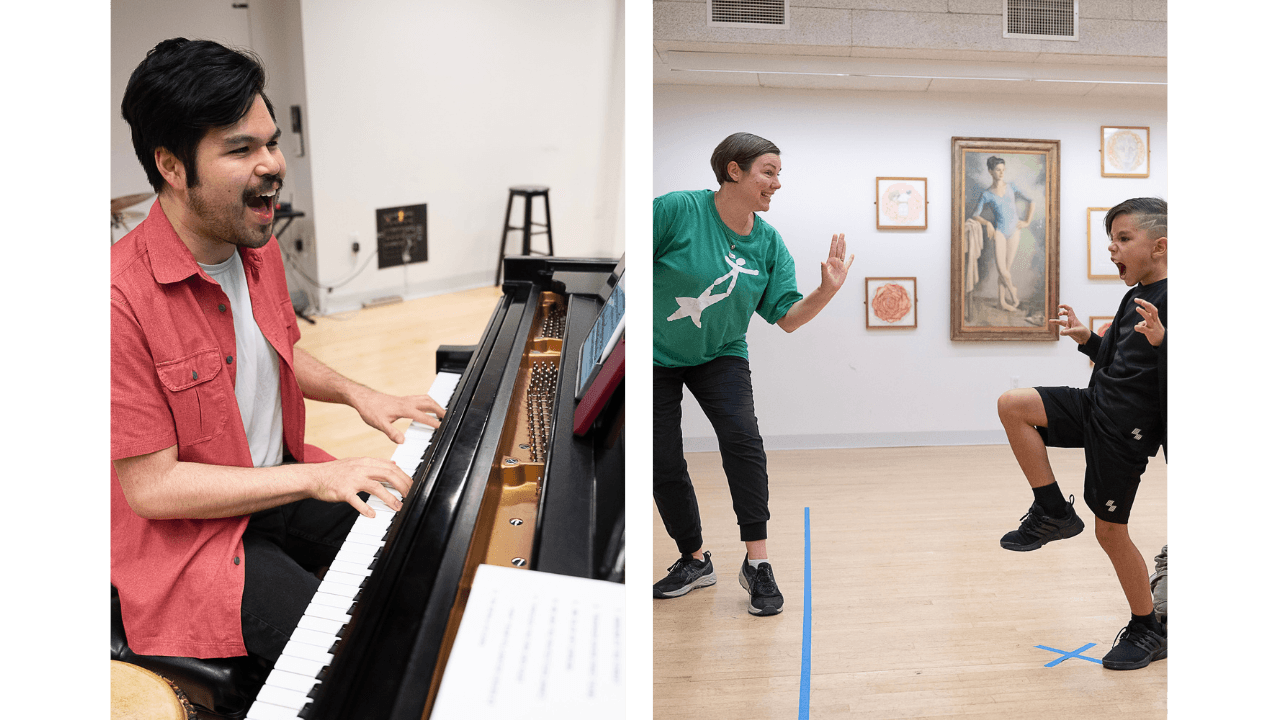
National Dance Institute (NDI) has been placing professional Dance Teaching Artists and Musicians inside New York City schools since 1976. Today, NDI reaches more than 6,500 students every week across more than 50 partner schools — mostly elementary, PreK through fifth grade — and every single class includes live music.
Each year, NDI chooses a curricular theme — past themes have explored science, poetry, visual art, and social activism — and NDI teaching artists choreograph dances around that theme, building toward a culminating performance that brings together the whole school community. The performances are not talent shows, they are full-scale artistic events.
.png&w=3840&q=75&dpl=dpl_5KAbHqvJLChBm96Dh4byVG3gjKDa)
Bringing a Team of Artists into Every Classroom
One of the things that makes NDI unique in the dance education field is that no one teaches alone. Every NDI class is led by a team of three: a Lead Dance Teaching Artist, an Assistant Dance Teaching Artist, and a Musician Teaching Artist. The trio works together to plan the class, teach it, and adjust in real time to whatever the children bring through the door on any given Tuesday.
In the NDI model, the students are the audience. Teaching here is theatrical — not in one particular style or look, but in the sense that there is always a performance relationship alive in the room. That is not incidental to the work. It is the work.
For Assistant Teaching Artists, this structure is both a support system and an apprenticeship. They are learning the NDI Method from inside a functioning team, with an experienced lead right beside them.
The three-teacher structure also does something else: it makes it possible to reach each individual child, in a real and meaningful way.
.jpg&w=3840&q=75&dpl=dpl_5KAbHqvJLChBm96Dh4byVG3gjKDa)
What the NDI Method Asks of You
The NDI Method™ is a distinctive teaching framework, rooted in:
- joyful and rigorous learning,
- teamwork across dancers and Teaching Artists, and
- the transformative potential of performance
Teaching and learning are both high-energy and very active — intentionally exuberant to produce immediate, visible results in the dancers.
This active teaching style requires Teaching Artists to bring their full artistry into the classroom: performance fluency, theatricality, ability to move across styles and pick up vocabulary quickly… Confident performance ability turns into leadership skills for positive classroom management.
The NDI Collaborative for Teaching and Learning offers extensive professional development so Dance Teaching Artists have lots of practice with the NDI Method. All Teaching Artists attend a Summer intensive and regular workshops, receive one-on-one mentorship, and participate in a Fall retreat where the whole Teaching Artist community comes together before school is in session.
Teaching Artists who have worked at other organizations consistently describe the level of support at NDI as unlike anything they have encountered elsewhere in their careers. That support is structural: there is always someone to call, always a mentor engaged in your growth, and always a team around you in the room.
The point of all this professional development is to transform what a child believes is possible. Every school day. All year long.
.jpg&w=3840&q=75&dpl=dpl_5KAbHqvJLChBm96Dh4byVG3gjKDa)
Who Makes a Great NDI Teaching Artist?
NDI is always looking for performers with a developed professional career including company work, touring, dance captaining, sustained freelance, or significant professional training. Versatility across dance styles and the ability to learn movement quickly are necessary, as is a true passion for teaching.
Prior in-school or studio teaching experience is strongly preferred. For those who have been teaching dance for years and wonder whether NDI has something to offer them at this stage, the answer is yes! The NDI Method is rigorous enough to stretch a dance teacher’s expertise and grow their capacity to lead.
What NDI is ultimately looking for is someone who sees a gymnasium full of second-graders and can recognize their potential. An artist who looks at every child in the room and understands they deserve their moment in the spotlight and knows how transformative it will be to participate in an ambitious, high-energy performance. Artists must have a real commitment to building inclusive learning environments where children of all abilities not only participate but shine.
Teaching Dance as a Career
Arts education in schools is not guaranteed. And right now, we need to fight for it more loudly and more visibly than ever. NDI's impact extends far beyond individual students to strengthen entire communities.
Our program teaches children to support each other across differences of ability, background, and experience. Alumni carry these collaborative skills into their adult lives, becoming the kind of citizens who build bridges rather than erect walls.
In 2025, NDI developed a study in collaboration with our teaching artists and in partnership with WolfBrown, an independent arts research consultancy. Preliminary findings from a pilot of the study, conducted with real students in NDI programs, indicate that:
- Students are developing critical life skills through NDI, including collaborative skills, self-control, willingness to work hard, confidence to perform, and tolerance for mistakes
- NDI narrows the achievement gap between children identified by classroom teachers as “struggling” versus those seen as “thriving”
- Children who participate in NDI identify a broad variety of people who can support them when working toward goals—a powerful antidote to feelings of isolation for those who have experienced trauma or anxiety
.jpg&w=3840&q=75&dpl=dpl_5KAbHqvJLChBm96Dh4byVG3gjKDa)
NDI commits to the children for the full school year, which means we also commit to our Teaching Artists for that time frame: three to four days a week, October through June. NDI schedules a minimum of three consecutive classes per school visit. In a field that runs largely on inconsistent, project-to-project work, the consistency built into an NDI Teaching Artist role is rare.
Many Lead Teaching Artist positions at NDI are full-time and salaried with benefits. Assistant roles are often a pathway to a full-time career teaching dance in schools.
Find us on Instagram and Facebook.
.jpg&w=3840&q=75&dpl=dpl_5KAbHqvJLChBm96Dh4byVG3gjKDa)